
-
Today AI is successfully used to recognize faces and traffic signs, diagnose diseases and advance remedies, predict rainfall and con...
-
Những người dùng Internet tại Việt Nam thường lấy “chị Google” ra để… giải trí. Khi “chị” đọc văn bản hay chỉ đường cho người tham gia gi...
Highlight
Những điều thú vị khi dùng Trí tuệ nhân tạo của Viettel
Những người dùng Internet tại Việt Nam thường lấy “chị Google” ra để… giải trí. Khi “chị” đọc văn bản hay chỉ đường cho người tham gia gi...

Tuesday, January 10, 2017
Toyota car incorporates AI tech

Toyota’s new concept car harnesses artificial intelligence (AI) and self-driving technology.
The Concept-i model – announced at the 2017 Consumer Electronics Show in Las Vegas last week – leverages the power of an AI system to anticipate people’s needs, build meaningful relationships with them and even inspire their imaginations and improve their lives.
It can converse with the driver and get to know them, becoming a potentially life-saving companion capable of detecting alertness levels – flashing lights to give a timely wake up call for them to concentrate properly – and even take over the driving responsibilities in dangerous situations.
It’s a game-changing concept vehicle which, first and foremost, encapsulates the Japanese car giant’s belief that the vehicles of the future should start with the people who use them.
Designed by Toyota’s CALTY Design Research in Newport Beach, California, and with user experience technology development from the Toyota Innovation Hub in San Francisco, the Concept-i was created around the philosophy of kinetic warmth, a belief that mobility technology should be warm, welcoming, and above all, fun. As a result, the concept was developed with a focus on building an immersive and energetic user experience. And Concept-i leverages the power of an advanced artificial intelligence (AI) system to anticipate people’s needs, inspire their imaginations and improve their lives.
“At Toyota, we recognize that the important question isn’t whether future vehicles will be equipped with automated or connected technologies,” said Bob Carter, senior vice president of automotive operations for Toyota. “It is the experience of the people who engage with those vehicles. Thanks to Concept-i and the power of artificial intelligence, we think the future is a vehicle that can engage with people in return.”
To help ensure that even the most cutting-edge vehicle technology remained welcoming and approachable, CALTY designers built Concept-i from the inside out, starting with a next-generation user interface that serves as a platform for the vehicle’s AI Agent, nicknamed Yui.
The interface begins with the visual representation of Yui, designed to communicate across cultures to a global audience. With Yui’s home centered on the dashboard, Concept-i’s interior emanates around the driver and passenger side and throughout the vehicle in sweeping lines, with interior shapes designed to enhance Yui’s ability to use light, sound and even touch to communicate critical information.
“Now, the Concept-I isn’t going to be on the road tomorrow. We still have an awful lot of work ahead. But guess what folks, we will be evaluating many of the Concept-i’s features and technologies on the roads in Japan within the next few years,” added Bob Carter.
Friday, January 6, 2017
IBM công bố 5 sáng tạo có khả năng làm thay đổi cuộc sống 5 năm tới
Dựa trên các xu thế thị trường, xã hội và các công nghệ mới, IBM vừa công bố danh sách “IBM 5 in 5”, liệt kê những sáng tạo khoa học mang tính đột phá, có khả năng thay đổi cách con người làm làm việc, sinh sống và tương tác trong vòng 5 năm tới.
- CMC bắt tay IBM phòng chống tội phạm mạng
- IBM mời khách dùng cocktail do... máy tính Watson lên công thức
- Tổng Giám đốc IBM Việt Nam đối thoại về công nghệ với… robot

Những gì con người nói và viết ra sẽ được sử dụng như là những chỉ số của trạng thái sức khỏe.
Trí tuệ nhân tạo giúp phân tích sức khỏe qua giọng nói
Theo IBM, trong 5 năm tới, những gì con người nói và viết ra sẽ được sử dụng như là những chỉ số của trạng thái sức khỏe, cung cấp dấu hiệu về những căn bệnh thần kinh hoặc tinh thần ở giai đoạn đầu, có thể giúp các bác sĩ, bệnh nhân dự đoán, giám sát và theo dõi tốt hơn.
Tại IBM, các nhà khoa học đang sử dụng các bản ghi âm và ghi chép lời thoại từ các cuộc phỏng vấn khảo sát trạng thái tâm thần, kết hợp với các kỹ thuật học máy (machine learning) để phát hiện ra các mô hình trong giọng nói, nhằm giúp bác sỹ dự báo và giám sát chính xác tình trạng rối loạn tâm thần, tâm thần phân liệt, điên và trầm cảm.
Hiện, chỉ cần khoảng 300 từ là các thầy thuốc đã có thể dự đoán xác suất mắc chứng rối loạn tâm thần của một người.
Trong tương lai, những kỹ thuật tương tự có thể được sử dụng để giúp các bệnh nhân mắc bệnh Parkinson, Alzheimer, Huntington, các biểu hiện về hành vi như bệnh tự kỷ và tăng động…

Công nghệ này có thể chụp ảnh các món ăn và thông báo về hàm lượng dinh dưỡng, đánh giá độ an toàn.
Công nghệ siêu hình ảnh, trí tuệ nhân tạo giúp “soi” những hình ảnh mắt thường không nhìn thấy
Hơn 99,9% phổ điện từ là không thể nhìn thấy được bằng mắt thường. Hiện một số công cụ này được dùng để chụp hình ảnh y tế cơ thể con người, kiểm tra hành lý tại sân bay… nhưng đó vẫn là những công cụ chuyên dụng đắt đỏ, trong khi chỉ quan sát được những phần nhất định.
5 năm tới, các thiết bị hình ảnh mới sử dụng công nghệ siêu hình ảnh (hyperimaging) và trí tuệ nhân tạo sẽ giúp quan sát được rộng hơn, ra ngoài phạm vi mắt thường có thể nhìn thấy.
Được tích hợp trong điện thoại, những công nghệ này có thể chụp ảnh các món ăn và thông báo về hàm lượng dinh dưỡng, đánh giá xem món ăn có đủ an toàn hay không. Hoặc chỉ cần chụp một loại thuốc, tấm séc ngân hàng có thể giúp phân biệt được sản phẩm thật và giả.

Kính soi macroscope giúp tìm hiểu chi tiết độ phức tạp mặt đất
Trong 5 năm tới, con người sẽ sử dụng các thuật toán và phần mềm học máy (machine-learning) để tổ chức thông tin về thế giới thực, nhằm đưa những dữ liệu khổng lồ và phức tạp được thu thập bởi hàng tỷ thiết bị vào phạm vi kiểm soát.
IBM gọi đó là "kính soi macroscope”, là hệ thống phần mềm và thuật toán để kết hợp tất cả những dữ liệu phức tạp của mặt đất lại với nhau và phân tích nhằm tìm ra nội hàm.
Ví dụ, bằng cách tổng hợp, tổ chức và phân tích dữ liệu về thời tiết, điều kiện thổ nhưỡng, mực nước và mối quan hệ giữa chúng với hoạt động tưới tiêu, một thế hệ những người nông dân mới sẽ có những thông tin giúp họ lựa chọn đúng loại cây trồng, địa điểm trồng cấy và cách để thu được một vụ mùa bội thu trong khi vẫn bảo tồn được nguồn tài nguyên nước quý giá.
Ngoài ra, công nghệ macroscope còn có thể lập danh mục và mối tương quan phức tạp của nhiều tầng lớp và khối lượng dữ liệu khác nhau do các kính viễn vọng thu thập, nhằm dự báo các trường hợp va chạm giữa các hành tinh, tìm hiểu thêm về cấu tạo của chúng.

"Phòng khám" có thể được tích hợp trong một thiết bị cầm tay tiện lợi.
Các phòng khám “trên một con chip” (lab-on-a-chip) giúp theo dõi bệnh tật ở cấp độ nano
Trong 5 năm tới, những phòng khám mới lab-on-a-chip sẽ đóng vai trò của những “thám tử” sức khỏe dựa trên công nghệ nano: theo dõi những dấu hiệu vô hình trong các chất lỏng cơ thể, gửi thông tin này về môi trường điện toán đám mây một cách dễ dàng từ nhà riêng của họ và cho phép con người biết ngay lập tức khi nào cần phải đi bác sĩ.
Công nghệ này có thể được tích hợp trong một thiết bị cầm tay tiện lợi. Ngoài ra có thể được kết hợp với dữ liệu từ các thiết bị IoT như máy giám sát giấc ngủ và đồng hồ thông minh, được các hệ thống AI phân tích để lấy ra thông tin. Khi được kết hợp với nhau, những tập hợp dữ liệu này sẽ cung cấp cho chúng ta thông tin chi tiết về điều kiện sức khỏe, cảnh báo về những dấu hiệu đầu tiên của sự cố sức khỏe, giúp ngăn chặn bệnh tật.
Tại IBM Research, các nhà khoa học đang phát triển công nghệ nano lab-on-a-chip với khả năng phân tách và cô lập những phân tử sinh học có đường kính nhỏ tới 20 nano mét – kích thước của ADN, virus và màng tế bào.

Các cảm biến thông minh sẽ phát hiện sự cố ô nhiễm môi trường với tốc độ ánh sáng
Hầu hết các chất gây ô nhiễm đều vô hình đối với mắt thường của con người. Ví dụ như khí mê tan (thành phần chính của khí gas tự nhiên), nếu bị rò rỉ vào không khí trước khi được sử dụng có thể làm nóng bầu khí quyển của trái đất.
Trong 5 năm tới, những công nghệ cảm biến mới, giá phải chăng sẽ được triển khai gần những giếng khai thác khí tự nhiên, các cơ sở lưu trữ và đường ống dẫn, cho phép phát hiện theo thời gian thực những chỗ rò rỉ vô hình.
Các mạng lưới cảm biến IoT được kết nối không dây với môi trường điện toán đám mây sẽ cung cấp khả năng giám sát liên tục.
Hiện IBM đang hợp tác với các nhà sản xuất khí tự nhiên như Southwestern Energy để thí điểm quá trình phát triển một hệ thống giám sát khí metan thông minh trong Mạng quan trắc khí metan ARPA-E.
|
Những gì con người nói và viết ra sẽ được sử dụng như là những chỉ số của trạng thái sức khỏe.
|
Trí tuệ nhân tạo giúp phân tích sức khỏe qua giọng nói
Theo IBM, trong 5 năm tới, những gì con người nói và viết ra sẽ được sử dụng như là những chỉ số của trạng thái sức khỏe, cung cấp dấu hiệu về những căn bệnh thần kinh hoặc tinh thần ở giai đoạn đầu, có thể giúp các bác sĩ, bệnh nhân dự đoán, giám sát và theo dõi tốt hơn.
Tại IBM, các nhà khoa học đang sử dụng các bản ghi âm và ghi chép lời thoại từ các cuộc phỏng vấn khảo sát trạng thái tâm thần, kết hợp với các kỹ thuật học máy (machine learning) để phát hiện ra các mô hình trong giọng nói, nhằm giúp bác sỹ dự báo và giám sát chính xác tình trạng rối loạn tâm thần, tâm thần phân liệt, điên và trầm cảm.
Hiện, chỉ cần khoảng 300 từ là các thầy thuốc đã có thể dự đoán xác suất mắc chứng rối loạn tâm thần của một người.
Trong tương lai, những kỹ thuật tương tự có thể được sử dụng để giúp các bệnh nhân mắc bệnh Parkinson, Alzheimer, Huntington, các biểu hiện về hành vi như bệnh tự kỷ và tăng động…
|
Công nghệ này có thể chụp ảnh các món ăn và thông báo về hàm lượng dinh dưỡng, đánh giá độ an toàn.
|
Công nghệ siêu hình ảnh, trí tuệ nhân tạo giúp “soi” những hình ảnh mắt thường không nhìn thấy
Hơn 99,9% phổ điện từ là không thể nhìn thấy được bằng mắt thường. Hiện một số công cụ này được dùng để chụp hình ảnh y tế cơ thể con người, kiểm tra hành lý tại sân bay… nhưng đó vẫn là những công cụ chuyên dụng đắt đỏ, trong khi chỉ quan sát được những phần nhất định.
5 năm tới, các thiết bị hình ảnh mới sử dụng công nghệ siêu hình ảnh (hyperimaging) và trí tuệ nhân tạo sẽ giúp quan sát được rộng hơn, ra ngoài phạm vi mắt thường có thể nhìn thấy.
Được tích hợp trong điện thoại, những công nghệ này có thể chụp ảnh các món ăn và thông báo về hàm lượng dinh dưỡng, đánh giá xem món ăn có đủ an toàn hay không. Hoặc chỉ cần chụp một loại thuốc, tấm séc ngân hàng có thể giúp phân biệt được sản phẩm thật và giả.
|
Kính soi macroscope giúp tìm hiểu chi tiết độ phức tạp mặt đất
Trong 5 năm tới, con người sẽ sử dụng các thuật toán và phần mềm học máy (machine-learning) để tổ chức thông tin về thế giới thực, nhằm đưa những dữ liệu khổng lồ và phức tạp được thu thập bởi hàng tỷ thiết bị vào phạm vi kiểm soát.
IBM gọi đó là "kính soi macroscope”, là hệ thống phần mềm và thuật toán để kết hợp tất cả những dữ liệu phức tạp của mặt đất lại với nhau và phân tích nhằm tìm ra nội hàm.
Ví dụ, bằng cách tổng hợp, tổ chức và phân tích dữ liệu về thời tiết, điều kiện thổ nhưỡng, mực nước và mối quan hệ giữa chúng với hoạt động tưới tiêu, một thế hệ những người nông dân mới sẽ có những thông tin giúp họ lựa chọn đúng loại cây trồng, địa điểm trồng cấy và cách để thu được một vụ mùa bội thu trong khi vẫn bảo tồn được nguồn tài nguyên nước quý giá.
Ngoài ra, công nghệ macroscope còn có thể lập danh mục và mối tương quan phức tạp của nhiều tầng lớp và khối lượng dữ liệu khác nhau do các kính viễn vọng thu thập, nhằm dự báo các trường hợp va chạm giữa các hành tinh, tìm hiểu thêm về cấu tạo của chúng.
|
"Phòng khám" có thể được tích hợp trong một thiết bị cầm tay tiện lợi.
|
Các phòng khám “trên một con chip” (lab-on-a-chip) giúp theo dõi bệnh tật ở cấp độ nano
Trong 5 năm tới, những phòng khám mới lab-on-a-chip sẽ đóng vai trò của những “thám tử” sức khỏe dựa trên công nghệ nano: theo dõi những dấu hiệu vô hình trong các chất lỏng cơ thể, gửi thông tin này về môi trường điện toán đám mây một cách dễ dàng từ nhà riêng của họ và cho phép con người biết ngay lập tức khi nào cần phải đi bác sĩ.
Công nghệ này có thể được tích hợp trong một thiết bị cầm tay tiện lợi. Ngoài ra có thể được kết hợp với dữ liệu từ các thiết bị IoT như máy giám sát giấc ngủ và đồng hồ thông minh, được các hệ thống AI phân tích để lấy ra thông tin. Khi được kết hợp với nhau, những tập hợp dữ liệu này sẽ cung cấp cho chúng ta thông tin chi tiết về điều kiện sức khỏe, cảnh báo về những dấu hiệu đầu tiên của sự cố sức khỏe, giúp ngăn chặn bệnh tật.
Tại IBM Research, các nhà khoa học đang phát triển công nghệ nano lab-on-a-chip với khả năng phân tách và cô lập những phân tử sinh học có đường kính nhỏ tới 20 nano mét – kích thước của ADN, virus và màng tế bào.
|
Các cảm biến thông minh sẽ phát hiện sự cố ô nhiễm môi trường với tốc độ ánh sáng
Hầu hết các chất gây ô nhiễm đều vô hình đối với mắt thường của con người. Ví dụ như khí mê tan (thành phần chính của khí gas tự nhiên), nếu bị rò rỉ vào không khí trước khi được sử dụng có thể làm nóng bầu khí quyển của trái đất.
Trong 5 năm tới, những công nghệ cảm biến mới, giá phải chăng sẽ được triển khai gần những giếng khai thác khí tự nhiên, các cơ sở lưu trữ và đường ống dẫn, cho phép phát hiện theo thời gian thực những chỗ rò rỉ vô hình.
Các mạng lưới cảm biến IoT được kết nối không dây với môi trường điện toán đám mây sẽ cung cấp khả năng giám sát liên tục.
Hiện IBM đang hợp tác với các nhà sản xuất khí tự nhiên như Southwestern Energy để thí điểm quá trình phát triển một hệ thống giám sát khí metan thông minh trong Mạng quan trắc khí metan ARPA-E.
Thursday, January 5, 2017
Do we need to chat with cars?

Am Vorabend der offiziellen Messeeröffnung gab der Automobilhersteller Einblicke und Anregungen zum Trendthema Artificial Intelligence.
Künstliche Intelligenz soll Autos zum Fahren bringen, das Wohnzimmer zum Sprechen und uns künftig in überhaupt allen Belangen des Alltags unterstützen. Mercedes griff das Thema am Vorabend der CES-Eröffnung in einer Reihe von "Coffee-Talk-Workshops" auf und gab einen Einblick, was sich im Unternehmen in Sachen KI bewegt und welches Potenzial man in der Entwicklung immer "intelligenterer" Systeme sieht.
Im Workshop "Environment Recognition and Sensor Fusion" zeigten die Entwickler den derzeitigen Stand der Umgebungserkennung durch ein neuronales Netzwerk. Vor fünf Jahren waren die Systeme knapp in der Lage, aus Videobildern der Fahrzeugkamera den Fahrbahnbereich und bewegte Objekte wie Fußgänger und Fahrzeuge zu kategorisieren. Die aktuellen neuronalen Netze, die mit Hilfe von Hunderten von Menschen kategorisierten Einzelbildern angelernt wurden, können zwischen unterschiedlichen Verkehrsteilnehmern unterscheiden und erkennen Bäume, Gebäude und Pfosten. Bei den während des Workshops gezeigten Videos analysiert das neuronale Netz die Videobilder mit einer Auflösung von 2000 x 1000 Bildpunkten mit 20 Bildern die Sekunde in Echtzeit und liefert eine Kategorisierung des Bildinhaltes. Dabei verarbeitet es etwa 60 MByte/s.
Bild 1 von 9
Das neuronale Netzwerk wurde zunächst mit Hunderten von Menschen farblich Kategorisierten Einzelbildern gefüttert.
Mercedes KI

Derzeit sind die Chips in den Fahrzeugen hierfür noch nicht leistungsfähig genug, durch eine Bündelung der Pixel in vertikale Pixelstreifen lässt sich das System jedoch auch auf heutiger Hardware zum Einsatz bringen. Überrascht waren die Ingenieure, dass das mit in Deutschland bei Tag aufgenommenen Situationen gefütterte neuronale Netz auch bei Nachtfahrten oder in anderen Regionen passable Erkennungsraten erzielte.
Maschinenintelligenz statt KI
Im Workshop Contextual User Experience stellte Khaled Mosalem, Leiter Connected Car, UI und Telematics Konzepte vor, wie sich Fahrzeuge durch den Einsatz neuronaler Netze künftig stärker an die Bedürfnisse ihrer Nutzer anpassen sollen. Komplexe Aufgaben soll künftig die KI erledigen: Statt sich durch viele Menüs zu hangeln soll das Fahrzeug die Nutzungsgewohnheiten analysieren und gezielt assistieren. Es soll unterscheiden können, ob man auf dem Weg zur Arbeit oder in den Urlaub ist oder erkennen, welcher Fahrer am Steuer sitzt und die individuellen Fahrzeugeinstellungen entsprechend anpassen. Das Gesamtkonzept der "Contextual UX" will Mercedes erstmals in der C-Klasse präsentieren.

Das Auf und Ab in der KI-Forschung ist laut Mankowsky eine Folge übersteigerter Erwartungen.

Einen ganz anderen Blick auf den momentanen KI-Hype warf Mercedes' hauseigener Zukunftsforscher Alexander Mankowsky. Er plädierte dafür, statt von künstlicher Intelligenz eher von Maschinenintelligenz zu sprechen. Derzeit erlebe das Thema besonders durch die Erfolge von Alexa & Co. eine Renaissance. Doch laut Mankowsky führt das Konzept der künstlichen Intelligenz gerade bei Sprachsystemen in die Irre, da Menschen in der direkten Kommunikation automatisch von einem Gegenüber mit eigenem Bewusstsein ausgingen. Durch diesen Effekt erklärt sich Mankowsky die Wellen aus Begeisterung und Enttäuschung, die die KI-Forschung in den letzten Jahrzehnten durchmachte. Das Maschinenlernen hingegen hat sich nach seiner Theorie – eher im Stillen – kontinuierlich weiterentwickelt. Vielleicht werden wir also nie ein uns ebenbürtiges, digitales Gegenüber finden. Zumindest für ein paar richtig gut funktionierende Maschinen wird es aber reichen.
Quelle: Sven Hansen
Monday, January 2, 2017
Japanese white-collar workers are already being replaced by artificial intelligence

Most of the attention around automation focuses on how factory robots and self-driving cars may fundamentally change our workforce, potentially eliminating millions of jobs. But AI that can handle knowledge-based, white-collar work are also becoming increasingly competent.
One Japanese insurance company, Fukoku Mutual Life Insurance, is reportedly replacing 34 human insurance claim workers with “IBM Watson Explorer,” starting by January 2017.
The AI will scan hospital records and other documents to determine insurance payouts, according to a company press release, factoring injuries, patient medical histories, and procedures administered. Automation of these research and data gathering tasks will help the remaining human workers process the final payout faster, the release says.
Fukoku Mutual will spend $1.7 million (200 million yen) to install the AI system, and $128,000 per year for maintenance, according to Japan’sThe Mainichi. The company saves roughly $1.1 million per year on employee salaries by using the IBM software, meaning it hopes to see a return on the investment in less than two years.
Watson AI is expected to improve productivity by 30%, Fukoku Mutual says. The company was encouraged by its use of similar IBM technology to analyze customer’s voices during complaints. The software typically takes the customer’s words, converts them to text, and analyzes whether those words are positive or negative. Similar sentiment analysis software is also being used by a range of US companies for customer service; incidentally, a large benefit of the software is understanding when customers get frustrated with automated systems.
The Mainichi reports that three other Japanese insurance companies are testing or implementing AI systems to automate work such as finding ideal plans for customers. An Israeli insurance startup,Lemonade, has raised $60 million on the idea of “replacing brokers and paperwork with bots and machine learning,” says CEO Daniel Schreiber.
Artificial intelligence systems like IBM’s are poised to upend knowledge-based professions, like insurance and financial services, according to the Harvard Business Review, due to the fact that many jobs can be “composed of work that can be codified into standard steps and of decisions based on cleanly formatted data.” But whether that means augmenting workers’ ability to be productive, or replacing them entirely remains to be seen.
“Almost all jobs have major elements that—for the foreseeable future—won’t be possible for computers to handle,” HBR writes. “And yet, we have to admit that there are some knowledge-work jobs that will simply succumb to the rise of the robots.”
Dự báo 10 cột mốc đột phá công nghệ sẽ thay đổi tương lai loài người trong 10 năm tới
Trí tuệ nhân tạo sẽ làm giảm ảnh hưởng của cảm xúc cá nhân trong việc giải quyết các vấn đề quan trọng: Sẽ không còn cảnh lôi nhau ra bàn tiệc để chè chén và ký những hợp đồng gây thua lỗ ngàn tỷ khi đã phê phê, không còn phải phong bì đi đêm, lót tay, bôi trơn…
Diễn đàn Kinh tế thế giới Global Agenda Council đã tiến hành một cuộc khảo sát lấy ý kiến của 800 chuyên gia công nghệ cao và từ đó đưa ra danh sách những đột phá công nghệ nổi bật nhất có thể diễn ra trong tương lai gần tới năm 2030. Hôm nay chúng tôi xin gửi tới bạn đọc 10 thành tựu công nghệ được dự kiến sẽ xảy ra trong thời gian sớm nhất.
Năm 2018 - 90% dân số sẽ được lưu trữ dữ liệu không giới hạn

Trong tương lai sẽ không còn cảnh chúng ta phải xóa các tập tin để giải phóng không gian lưu trữ nữa. Ở thời điểm hiện tại, Google đã biến một phần điều này thành hiện thực khi cho phép người dùng lưu trữ video và ảnh với số lượng không hạn chế (nhưng có bị nén). Với 60 USD/năm (khoảng 1,37 triệu VND), người dùng có thể lưu trữ bất cứ loại tập tin gì với dung lượng không giới hạn trên máy chủ của Amazon.
Vậy điều gì đã khiến điều này trở thành sự thật? Đó chính là chi phí lưu trữ cho mỗi gigabyte dữ liệu lên đĩa cứng đã giảm đi chóng mặt trong những năm gần đây. Đổi lại, công ty cung cấp lưu trữ dữ liệu không giới hạn trên “đám mây” sẽ bắt chúng ta phải xem quảng cáo hoặc trả tiền theo dạng thuê bao.
Năm 2021 - Dược sĩ robot đầu tiên xuất hiện

Trong 10 năm gần đây, robot đã tích cực được sử dụng để thay thế con người trong các hoạt động sản xuất công nghiệp. Theo thời gian, máy móc sẽ đảm nhiệm công việc của công nhân, nhân viên phục vụ, người bán hàng và các dạng lao động chân tay khác.
Vì vậy, các chuyên gia cho rằng đến năm 2021 chúng ta sẽ được chứng kiến sự ra đời của dược sĩ-robot. Nó sẽ giúp loại trừ sai sót trong pha chế do con người gây ra và bảo vệ các kỹ thuật viên hay dược sĩ khỏi những hóa chất nguy hiểm.
Năm 2022 - 1 nghìn tỷ cảm biến sẽ kết nối Internet

Giá thành của các cảm biến “thông minh” đang ngày càng giảm. Các chuyên gia tin rằng trong tương lai ngay cả những bộ quần áo cũng sẽ biết “vào mạng” – được kết nối với Internet. Hằng hà sa số những thiết bị nhỏ cùng kết nối với một hệ thống mạng duy nhất sẽ cho phép các nhà khoa học thăm dò môi trường (nhiệt độ, áp suất không khí, tình trạng ô nhiễm…) một cách đầy đủ nhất.
Năm 2022 - Ra đời cỗ máy máy đầu tiên bằng phương pháp in 3D

Công nghệ in 3D vẫn luôn được phát triển không ngừng: xuất hiện nhiều thiết bị in và vật liệu in mới - không chỉ còn là nhựa. Audi đã công bố một concept xe hơi được sản xuất bằng quy trình in 3D – xếp phủ vật liệu theo lớp. Các nhà khoa học dự đoán rằng cũng trong năm 2022 chúng ta sẽ được chứng kiến cỗ máy đầu tiên ra đời bằng phương pháp in 3D như vậy.
Năm 2023 - 10% số kính mắt sẽ được kết nối Internet

Kính đeo mắt có lịch sử rất lâu đời - những chiếc kính mắt thực sự được ghi nhận đầu tiên vào năm 1260 tại Ý. Cuối thế kỉ 12, kính đã xuất hiện ở Trung Quốc và châu Âu. Trong hơn 9 thế kỷ tồn tại, công dụng của kính mắt gần như không thay đổi. Vậy nhưng rất nhiều trong số những người tham gia cuộc khảo sát đều tin rằng: chỉ trong 5 năm tới kính đeo mắt sẽ có thêm nhiều chức năng mới.
Cùng với sự phát triển của công nghệ thực tế ảo tăng cường, chúng sẽ có khả năng truy cập vào các ứng dụng Internet để phục vụ công việc, học tập và giải trí. Một hệ thống theo dõi mắt đặc biệt sẽ ra đời giúp chúng ta có thể điều khiển mà không cần tới tay chân.
Năm 2023 - 90% chúng ta sẽ có “siêu máy tính” bỏ túi

Việc sử dụng smartphone nhiều hơn máy tính cá nhân đang và sẽ trở thành xu hướng của tương lai. Lưu lượng sử dụng dữ liệu Internet trên các thiết bị di động đã vượt qua trên máy tính và vẫn tiếp tục tăng trưởng không hề chậm lại. Hiện tại, nhiều chiếc smartphone đã có cấu hình mạnh mẽ không thua kém gì máy vi tính cá nhân, và dự báo rằng đến năm 2023 thì hiệu năng của các thiết bị di động sẽ ngang ngửa với các siêu máy tính hiện đại. Khi đó 90% dân số thế giới sẽ được kết nối Internet thông qua những chiếc điện thoại thông minh – siêu máy tính di động.
Năm 2024 – Ca ghép gan “in 3D” đầu tiên

Việc sử dụng máy in 3D để tạo ra các bộ phận cơ thể người như xương và nội tạng cấy ghép đã không còn là viển vông. Ngày nay các bác sĩ phẫu thuật đã dùng xương in 3D trong cấy ghép xương ngực và các xương khác. Tới năm 2024 in ấn 3D sinh học được dự đoán sẽ đạt đến trình độ cao: con người sẽ in được gan nhân tạo và các cơ quan quan trọng khác bằng phương pháp in 3D.
Năm 2025 - Điện thoại cấy ghép sẽ xuất hiện

80% các chuyên gia được hỏi đều dự đoán rằng trong 7 năm tới sẽ xuất hiện người đầu tiên được cấy ghép điện thoại di động vào cơ thể. Thiết bị này sẽ giúp theo dõi sức khỏe của người dùng một cách chính xác hơn so với những loại máy móc y tế hiện có. Đồng thời, người dùng có thể sử dụng điện thoại gấy ghép để giao tiếp với nhau bằng giọng nói hoặc sức mạnh tinh thần.
Năm 2025 – Thuê xe sẽ phổ biến hơn sở hữu phương tiện cá nhân

67% các chuyên gia tin rằng các dịch vụ cho thuê xe ô tô trong tương lai sẽ tăng trưởng tốt. Ngay trong năm 2025 thì hầu hết các chuyến xe trên thế giới sẽ là xe thuê và duy trì phương tiện di chuyển cá nhân lúc đó sẽ rất đắt đỏ. Điều này sẽ buộc các nhà sản xuất ô tô phải xem xét lại mô hình kinh doanh của mình.
Năm 2026 - Trí thông minh nhân tạo lần đầu tiên sẽ tham gia Hội đồng quản trị của các tập đoàn

AI cho phép tự động hóa rất nhiều trong quá trình phân tích và xử lý dữ liệu với sai sót tối thiểu. Chương trình thậm chí sẽ có thể đưa ra quyết định dựa trên kinh nghiệm làm ăn trước đây của công ty. Điều này cũng sẽ làm giảm ảnh hưởng của cảm xúc cá nhân trong việc giải quyết các vấn đề quan trọng. Sẽ không còn cảnh lôi nhau ra bàn tiệc để chè chén và ký những hợp đồng gây thua lỗ ngàn tỷ khi đã phê phê, không còn phải phong bì đi đêm, lót tay, bôi trơn…
Deep Learning AI Listens to Machines For Signs of Trouble

Driving your car until it breaks down on the road is never anyone’s favorite way to learn the need for routine maintenance. But preventive or scheduled maintenance checks often miss many of the problems that can come up. An Israeli startup has come up with a better idea: Use artificial intelligence to listen for early warning signs that a car might be nearing a breakdown.
The service of 3DSignals, a startup based in Kefar Sava, Israel, relies on the artificial intelligence technique known as deep learning to understand the noise patterns of troubled machines and predict problems in advance. 3DSignals has already begun talking with leading European automakers about possibly using the deep learning service to detect possible trouble both in auto factory machinery and in the cars themselves. The startup has even chatted with companies about using their service to automatically detect problems in future taxi fleets of driverless cars.
“If you’re a passenger in a driverless taxi, you only care about getting to your destination and you’re not reporting maintenance problems,” says Yair Lavi, a co-founder and head of algorithms for 3DSignals. So actually having the 3DSignals solution in autonomous taxis is very interesting to the owners of taxi fleets.”
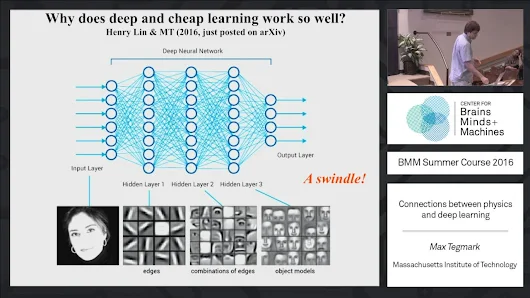
Deep learning usually refers to software algorithms known as artificial neural networks. These neural networks can learn to become better at specific tasks by filtering relevant data through multiple (deep) layers of artificial neurons. Many companies such as Google and Facebook have used deep learning to develop AI systems that can swiftly find that one face in a million online images or do millions of Chinese to English translations per day.
Many tech giants have also applied deep learning to make their services become better at automatically recognizing the spoken sounds of different human languages. But few companies have bothered with using deep learning to develop AI that’s good at listening to other acoustic signals such as the sounds of machines or music. That’s where 3DSignals hopes it can become a big player with its deep learning focus on more general sound patterns, Lavi explains.
“I think most of the world is occupied with deep learning on images. This is by far the most popular application and the most recent. But part of the industry is doing deep learning on acoustics focused on speech recognition and conversation. I think we are probably in the very small group of companies doing acoustics which is more general. This is my aim, to be the world leader in general acoustics deep learning.”
For each client, 3DSignals installs ultrasonic microphones that can detect sounds ranging up to 100 kilohertz (human hearing range is between 20 hertz and 20 kilohertz). The startup’s “Internet of Things” service connects the microphones to a computing device that can process some of the data and then upload the information to an online network where the deep learning algorithms do their work. Clients can always check the status of their machines by using any Web-connected device such as a smartphone or tablet.
The first clients for 3DSignals include heavy industry companies operating machinery such as circular cutting blades in mills or hydroelectric turbines in power plants. These companies started out by purchasing the first tier of the 3DSignals service that does not use deep learning. Instead, this first tier of service uses software that relies on basic physics modeling of certain machine parts—such as circular cutting saws—to predict when some parts may start to wear out. That allows the clients to begin getting value from day one.
The second tier of the service uses a deep learning algorithm and the sounds coming from the microphones to help detect strange or unusual noises from the machines. The deep learning algorithms train on sound patterns that can signal general problems with the machines. But only the third tier of the service, also using deep learning, can classify the sounds as indicating specific types of problems. Before this can happen, though, the clients need to help train the deep learning algorithm by first labeling certain sound patterns as belonging to specific types of problems.
“After a while, we can not only say when problem type A happens, but we can say before it happens, you’re going to have problem type A in five hours,” Lavi says. “Some problems don’t happen instantly; there’s a deterioration.”
When trained, the 3DSignals deep learning algorithms are able to identify predict specific problems in advance with 98 percent accuracy. But the current clients using the 3DSignals system have not yet begun taking advantage of this classification capability; they are still building their training datasets by having people manually label specific sound signatures as belonging to specific problems.
The one-year-old startup has just 15 employees, but it has grown fairly fast and raised $3.3 million so far from investors such as Dov Moran, the Israeli entrepreneur credited with being one of the first to invent USB flash drives. Lavi and his fellow co-founders are already eying several big markets that include automobiles and the energy sector beyond hydroelectric power plants. A series A funding round to attract venture capital is planned for sometime in 2017.
If all goes well, 3DSignals could expand its lead in the growing market for providing “predictive maintenance” to factories, power plants, and car owners. The impending arrival of driverless cars may put even more responsibility on the metaphorical shoulders of a deep learning AI that could listen for problems while the human passengers tune out from the driving experience. On top of all this, 3DSignals has the chance to pioneer the advancement of deep learning in listening to general sounds. Not bad for a small startup.
“It’s important for us to be specialists in general acoustic deep learning, because the research literature does not cover it,” Lavi says.
Subscribe to:
Posts (Atom)